Physical Address
304 North Cardinal St.
Dorchester Center, MA 02124
Physical Address
304 North Cardinal St.
Dorchester Center, MA 02124

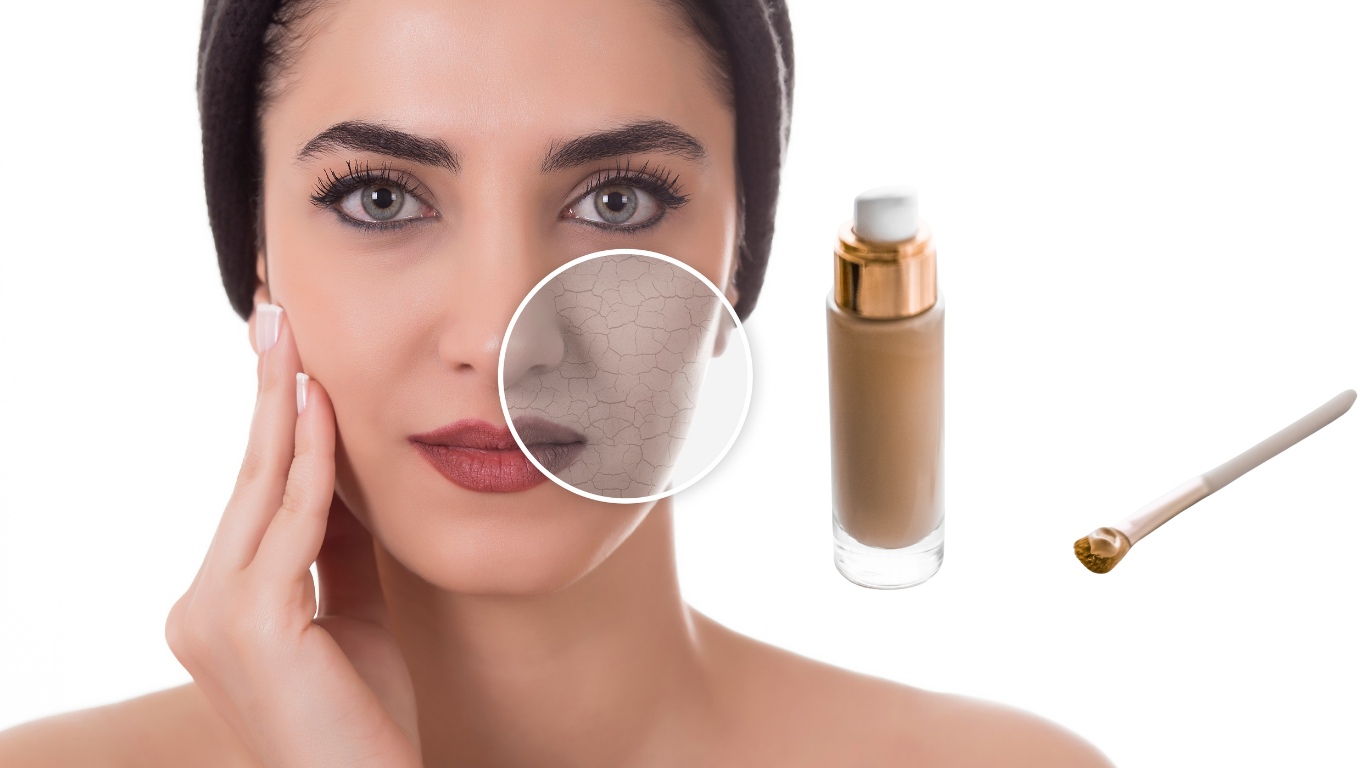
If you have dry skin, foundation can stick to flaky spots and look patchy. A hydrating primer helps by smoothing your skin, adding moisture, and making your makeup apply easily and last longer.
Whether you’re prepping for a minimal glow-up or full glam, here are the complete best primers for dry skin with descriptions, key ingredients, benefits, pros, and cons. You can pick the one that suits your skin and style best.
This affordable gem is packed with grape seed oil and vitamins A, C, and E to nourish and hydrate dry skin. It leaves your skin feeling soft and smooth while helping foundation stay fresh longer.
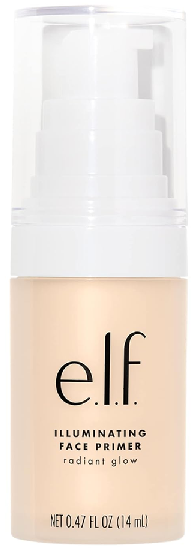
This cult-favorite is a 2-in-1 primer and moisturizer, combining niacinamide and hyaluronic acid to plump and prep your skin with serious hydration.
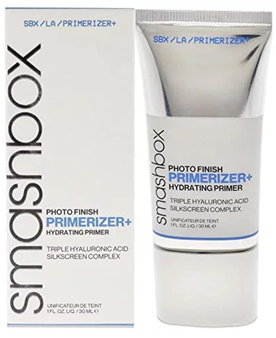
Enriched with coconut water and probiotic-based ingredients, this primer revives and refreshes tired, moisturizing primer for dry & dull skin while adding a natural glow. It also smells amazing!
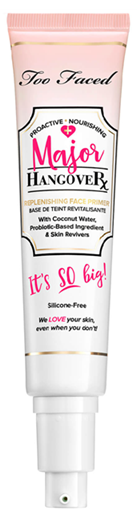
Best makeup primer for dry skin, this gel-based primer uses aloe water, niacinamide, and hyaluronic acid to both hydrate and grip your foundation in place for up to 12 hours.
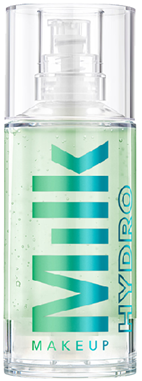
A silicone-free option designed specifically for dry skin, this primer is infused with olive extract and marine botanicals for all-day hydration and a silky-smooth finish.
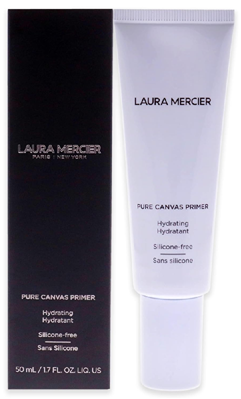
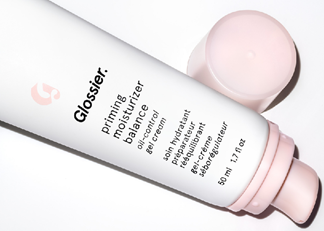
This multi-tasker works as both a primer and a lightweight moisturizer. Its buildable formula features hyaluronic acid and mushroom hydrators to calm and plump dry skin.
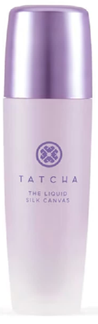
If you’re after a luxury experience, this primer is for you. Formulated with silk extracts and Tatcha’s proprietary Hadasei-3™, it smooths, protects, and hydrates — all in one pump.
For optimal results, follow these simple steps:
With the right hydrating primer, dry skin no longer has to be a barrier to achieving a radiant, long-lasting makeup look.
Picking the right face primer for dry skin comes down to keeping your skin hydrated and making sure it works well with your makeup. Whether you choose an affordable option like e.l.f. or a luxury one like Tatcha, a good primer will help your skin look glowy and keep your makeup on longer.
1. What is the best hydrating primer for dry skin?
The best hydrating primer for dry skin should feel like a light moisturizer, add a natural glow, and help your makeup go on smoothly without catching on dry spots. Look for labels that say things like ‘hydrating primer,’ ‘glowy primer,’ or ‘moisturizing makeup base.
2. How do I choose a makeup primer for dry sensitive skin?
Pick fragrance-free, alcohol-free formulas with soothing ingredients like glycerin, hyaluronic acid, ceramides, and aloe. Avoid mattifying or long-wear primers marketed for oily skin, as these can make tightness and flakiness worse.
3. Can I use a pore minimizing primer for dry skin?
Yes, you can use, if it is labeled hydrating or nourishing and does not have a strong mattifying finish. Choose silicone-based formulas that feel silky, not drying, and always apply over a rich moisturizer so it does not emphasize texture.
4. What is the best drugstore primer for dry skin and fine lines?
The best drugstore primer for dry skin and fine lines usually has a creamy texture and includes smoothing ingredients that blur lines while adding moisture. Look for phrases like “age-defying,” “smoothing,” or “radiance” along with “for dry skin” on affordable US pharmacy brands.
5. How do I apply primer on dry flaky skin before foundation?
To use a primer on dry flaky skin before foundation, exfoliate gently, apply a hydrating serum and moisturizer, then press a thin layer of primer into the skin instead of rubbing. Focus on flaky areas around the nose and cheeks, then apply a hydrating foundation with a damp sponge for a smooth finish.
6. Can I use illuminating primer for dry dull skin every day?
An illuminating primer for dry dull skin can be used daily if it is lightweight and non-comedogenic. If you notice buildup or clogged pores, switch to using it mainly on high points of the face (cheekbones, bridge of nose, forehead) rather than all over.
7. What ingredients should I look for in a hydrating primer for dry skin?
In a hydrating primer for dry skin, look for humectants like glycerin and hyaluronic acid, emollients like squalane and jojoba oil, and barrier-supporting ingredients like ceramides and vitamin E. These help lock in moisture and keep foundation from catching on dry patches.
8. Is silicone primer good for dry skin with large pores?
A silicone primer for dry skin with large pores can work well if you pair it with a rich moisturizer underneath. The silicone helps blur pores and texture, while the skincare underneath provides the hydration your dry skin needs to avoid looking flaky or cakey.
9. Do I need a separate primer for dry skin and sunscreen?
You can layer a hydrating primer for dry skin under sunscreen, or use a moisturizing SPF that doubles as a makeup-gripping base. If you use both, apply skincare, then sunscreen, and finish with a thin layer of primer only where you need extra smoothness or grip.
10. What is the best primer for dry skin and dewy foundation look?
Choose a luminous, hydrating formula that adds sheen but no glitter. Pair it with a dewy or satin foundation, and set only the T-zone with a light powder to keep the glow on the high points of your face.