Discover the best primers for acne prone skin that blur pores, control oil, and prevent breakouts without clogging. Top non-comedogenic options for flawless makeup on sensitive US skin—shop now!
What is Acne-Prone Skin?
Acne-prone skin is more likely to break out due to factors like excess oil (sebum), clogged pores, hormonal imbalances, or sensitivity to certain ingredients. People with this skin type may experience:
Frequent breakouts (whiteheads, blackheads, or cystic acne)
Oily or combination skin texture
Enlarged or visible pores
Redness and inflammation
Why Choosing the Right Primer Matters
Primers act as a barrier between your skin and makeup. For acne-prone skin, the right primer does more than just make your makeup last longer — it helps protect, treat, and balance your skin.
🌿 How Primers Help Maintain Acne-Prone Skin
Function
How It Helps Acne-Prone Skin
Oil Control
Mattifying primers absorb excess sebum, keeping your skin shine-free and preventing clogged pores.
Pore Blurring
Minimizes the look of large pores, which are often more visible on acne-prone skin.
Barrier Protection
Creates a smooth layer that keeps foundation and dirt from settling directly into your pores.
Acne Treatment
Some primers include ingredients like salicylic acid, niacinamide, or zinc to actively fight breakouts.
Soothing & Redness Reduction
Primers with calming agents like probiotics, turmeric, or green tea reduce irritation and redness.
Improved Makeup Application
A smoother base means less rubbing and blending — reducing irritation from application.
✅ What to Look for in a Primer for Acne-Prone Skin
Non-comedogenic (won’t clog pores)
Oil-free or mattifying
Contains acne-fighting ingredients (like salicylic acid or tea tree oil)
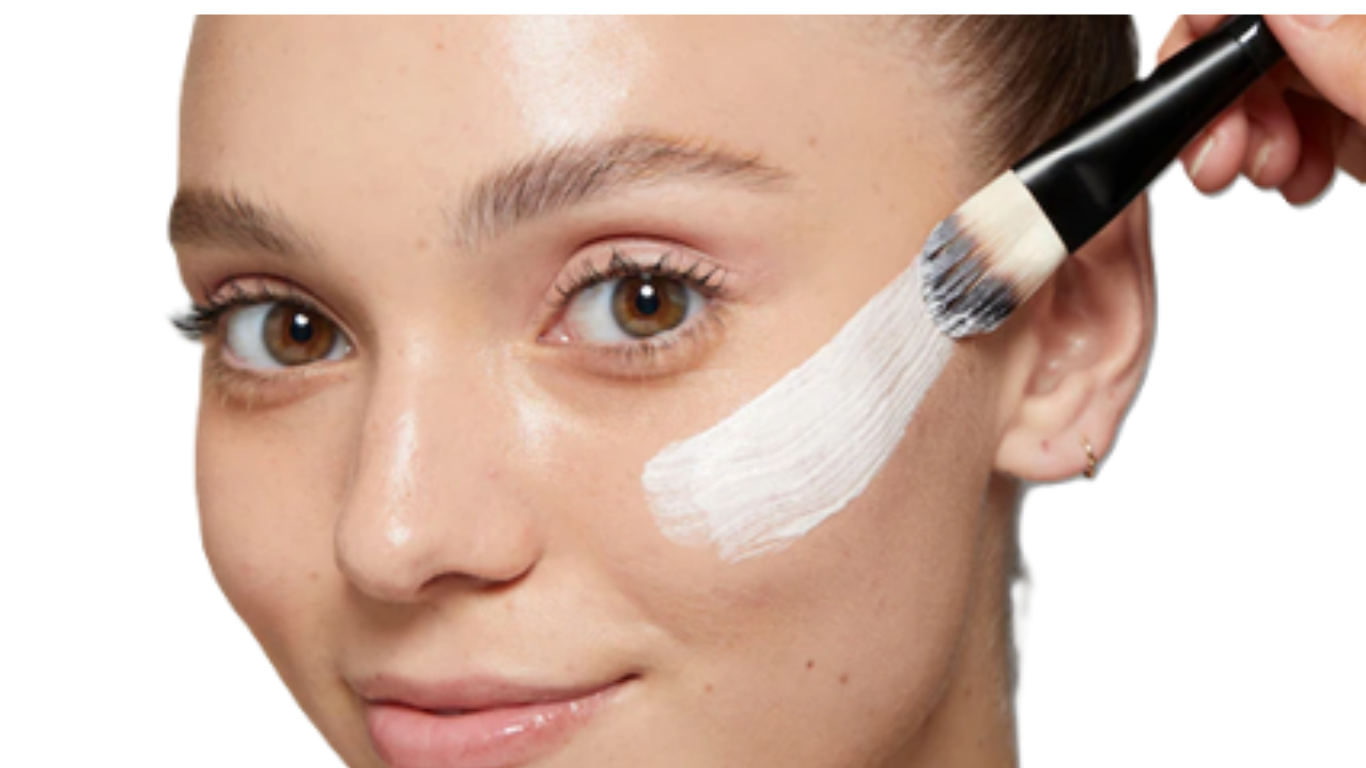
Best Way to Use: Smooth evenly over clean skin. Focus on breakout-prone areas.
Quick Application Tips for Acne-Prone Skin:
Always start with cleansed, moisturized skin.
Use clean hands or sanitized tools to apply primer.
Apply thin layers — don’t over-apply.
Allow the primer to set fully (about 60 seconds) before applying foundation or other makeup products.
Choose non-comedogenic makeup to pair with your primer.
Conclusion:
Choosing the right primer for acne-prone skin is not just about creating a smooth makeup base — it’s about protecting your skin too. Whether you want oil-control (Smashbox, Cover FX), hydration (NYX Bare With Me), or a luxury finish (Tatcha), there’s a perfect match for your needs.
Final Tip:
Using the right primer can help balance oil, reduce breakouts, and give you a flawless makeup base — all without irritating or suffocating your skin.
FAQ Section
What is the best non comedogenic primer for acne prone skin? Non-comedogenic primers from Type Beauty and top drugstore brands smooth the skin without clogging pores. They’re lightweight, oil-free, and great for daily use on acne-prone skin.
What is the best primer for oily acne prone skin? Oil-control primers help reduce shine and minimize pores. Water-based formulas made for acne-prone skin stay matte all day and work well with foundation, especially for oily or combination skin in humid US climates.
What is a good drugstore primer for acne prone skin? Affordable drugstore primers from brands like Maybelline and e.l.f. offer non-comedogenic, acne-safe formulas under $15. They’re popular for blurring imperfections without irritation, making them great for budget-friendly US shoppers..
How to choose primer for sensitive acne prone skin? Opt for fragrance-free, hypoallergenic formulas labeled for sensitive skin that hydrate without greasiness. Test patch first and layer lightly to avoid overwhelming acne-prone barriers.
Are there silicone-free primers for acne prone skin? Silicone-free alternatives provide a natural grip for makeup while soothing acne, favored in clean beauty trends for US audiences avoiding heavy silicones.